
Late-winter and early-spring mark a crucial window for tree care, especially across Southeast Michigan, where fluctuating temperatures and spring storms are common. Homeowners who proactively trim their trees during these months can significantly lower the risk of storm-induced property damage. Strategic trimming enhances the strength of your landscape, minimizes the chances of falling branches, and keeps the entire yard healthier as severe weather approaches.
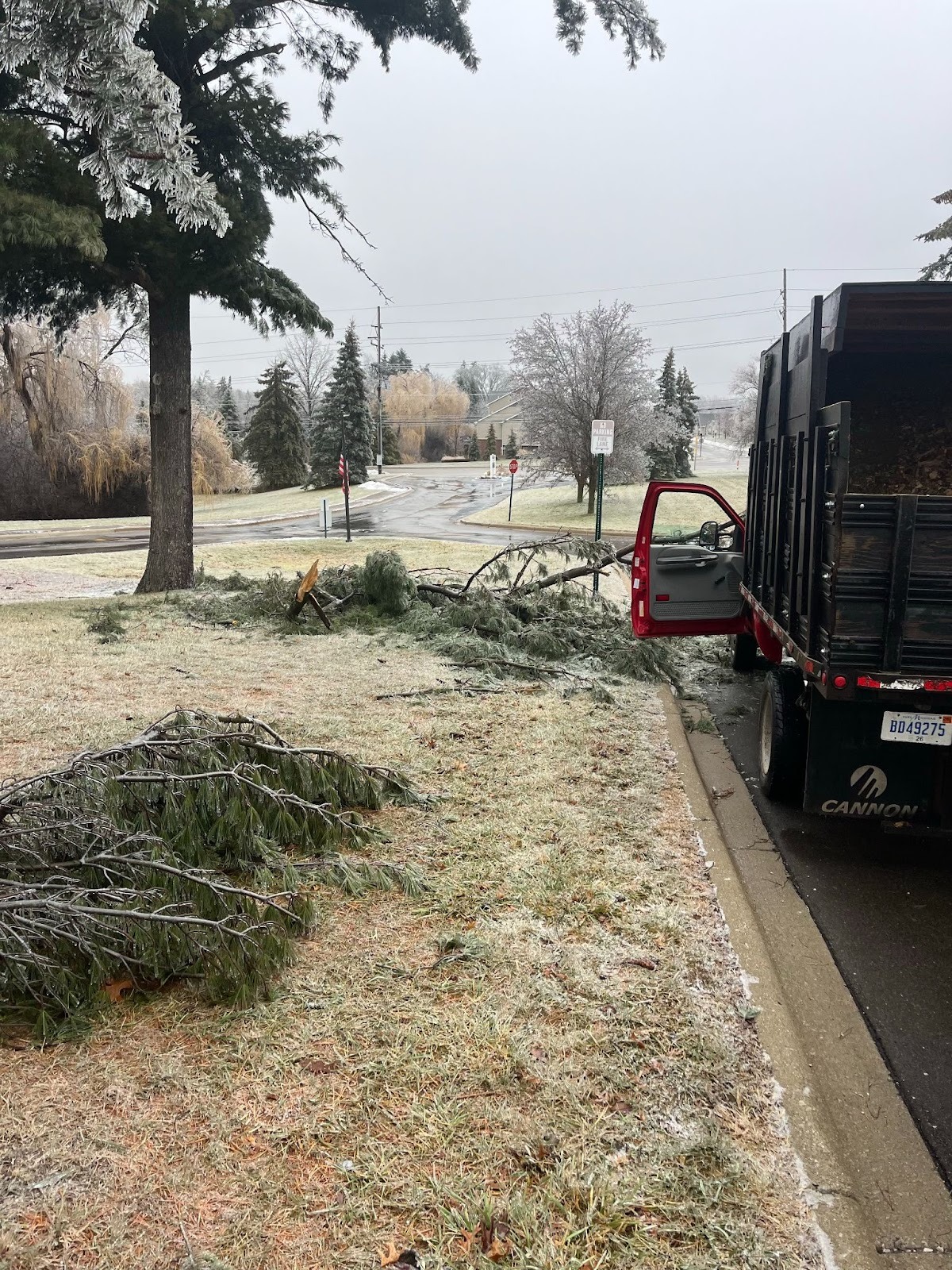
Why Tree Trimming Matters Before Spring Storms
Spring storms often bring high winds, heavy rain, and sudden changes in temperature. Trees with weak, dead, or overcrowded limbs are more susceptible to breaking under these conditions. By scheduling tree trimming in late-winter or early-spring, you:
-
Remove weakened limbs that could snap during storms
-
Reduce the weight burden on main branches, stabilizing the overall structure
-
Improve airflow and light penetration, encouraging stronger, healthier growth
-
Prevent larger, costlier issues like fallen trees or emergency clean-ups
Whether dealing with mature oaks or young maples, the right cut at the right time directly contributes to storm resiliency.
Trimming Techniques That Enhance Tree Stability
Proper pruning techniques not only improve a tree’s appearance but are vital to its health and the safety of your property. Experienced arborists focus on:
-
Thinning out dense canopies without over-pruning, to avoid stress and shock
-
Identifying V-shaped branch unions, which are more likely to split in spring winds
-
Taking out branches that cross and rub, which can cause open wounds and decay
Each tree species in the White Lake area requires nuanced care. For example, maples and birches benefit from trimming just before their sap flows in early March, while large evergreens withstand storms better when bottom branches are thinned in late winter.
Avoiding Common DIY Pitfalls
While some homeowners may be tempted to handle pruning themselves, improper techniques can lead to long-term damage and increased risk in storm season. Common mistakes include:
-
Cutting flush against the trunk, which can harm the tree’s natural healing process
-
Removing too much at once, leading to weakened structure
-
Failing to spot signs of disease or infestation that exacerbate storm risk
A professional tree removal and pruning service will recognize these risks and use industry-standard methods to safeguard both your landscape and structures.
Recognizing When Tree Removal Is Necessary
There are times when trimming alone isn’t enough. If a tree is severely diseased, leaning dangerously, or structurally unsound, full removal may be the safest preventive measure ahead of spring storms. Professional assessments ensure that only trees posing a hazard are removed, and the surrounding landscape remains protected. This step not only avoids costly repairs after the fact, but also improves safety for your family and neighbors during unpredictable Michigan weather.
Get Storm-Ready With North Great Lakes Tree Service
Preparing for the spring storm season in White Lake, MI means acting now. If you want reliable protection and peace of mind, the team at North Great Lakes Tree Service can help with tree trimming and tree removal services tailored to Southeast Michigan’s climate and local tree varieties. Call (810) 599-0734 or fill out our online form on our website to schedule a complimentary assessment and keep your property safe this season.