Chilly White Lake winters can be harsh on your property’s trees. Between heavy snow, ice, fluctuating temperatures, and biting winds, even healthy trees can sustain significant damage, sometimes out of sight, only to become a safety concern as spring arrives. If you’re unsure whether one of your trees made it through the season, learning to recognize warning signs can help you take action before your property, family, and neighbors are at risk. Here are five clues your tree may not have survived winter and could require tree removal services by a professional team.
1. Noticeable Leaning After Snow and Ice Events
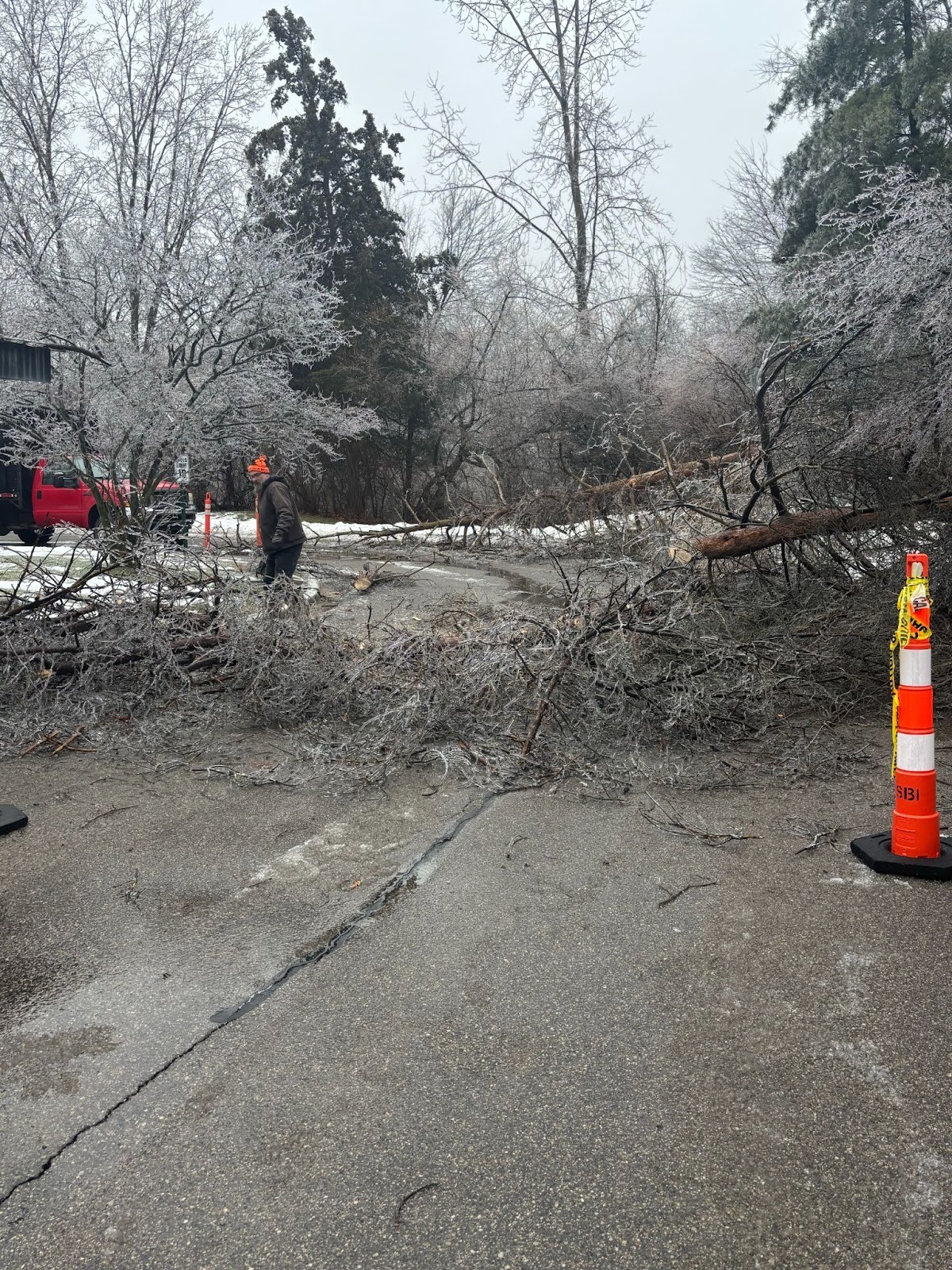
One of the most visible and serious signs of winter tree damage is sudden leaning. When snow or ice weighs down tree limbs for extended periods, the root system or structural integrity can be compromised. If you observe a tree now leaning more than before, or see soil lifting on one side at the base, the tree has likely lost stability. In severe cases witnessed in White Lake neighborhoods, once-healthy trees have fallen unexpectedly, causing property damage and creating hazards for everyone nearby.
2. Cracked or Split Trunks
Extreme temperature swings common in White Lake, MI winters can cause water within a tree’s trunk to freeze and expand. This leads to cracks or splits that weaken the structural core of the tree. These splits might be vertical, running the length of the trunk, and can often be spotted once snow recedes. If you notice large open wounds or deep cracks, these are clear indicators the tree’s support system is compromised and tree removal should be evaluated by a local specialist.
3. Large Dead Limbs or Branches
While a few minor dead twigs may be normal, multiple large dead branches, especially high in the canopy, signal serious winter injury. Deadwood is not just unsightly; it’s dangerous in windy or stormy conditions, as broken branches can fall on your home, vehicles, or power lines. Local crews frequently respond to spring calls in White Lake to remove hazardous limbs that snapped or deteriorated over the winter. Regular tree trimming by professionals can address some problems, but extensive limb death is often a sign that full removal is the safest route.
4. Fungal Growth and Bark Loss
As temperatures warm, fungi can rapidly colonize stressed or dying wood. If you spot clusters of mushrooms or unusual fungal bodies at the base of your tree, it means decay is present and the tree’s health has been failing for a while, often accelerated by winter freeze-thaw cycles. Peeling, missing, or loose bark is another strong warning sign, commonly reported throughout Oakland County yards after a rough season. Trees exhibiting both symptoms are almost certainly beyond saving and should be evaluated for removal before they topple.
5. Sparse Buds and Delayed Leafing Out
Now that spring is here, your tree should be budding and ready to leaf out. A tree with only sparse buds, or none at all, may not have made it through winter’s stress. Compare it to other similar species in your yard; if one tree is clearly lagging far behind, it may be too compromised to recover. Homeowners in the White Lake area often discover minimal regrowth well into April and May—a strong cue for professional inspection to assess the need for removal.
Contact North Great Lakes Tree Service for a Professional Assessment
If you’ve recognized any of these signs in your trees this spring in White Lake, MI, don’t wait for costly or dangerous accidents to happen. North Great Lakes Tree Service specializes in safe, efficient tree trimming and tree removal services tailored to our local climate and tree species. Call (810) 599-0734 or fill out our online form to schedule a thorough inspection, or fill out our convenient online contact form for a prompt response. Protect your property with help from your local tree removal experts.